 Latest article
Bitcoin Hyper: launch schedule for TGE, mainnet and staking
 Bitcoin Hyper: launch schedule for TGE, mainnet and staking
The 20 November schedule announces TGE and trading on 26 November, mainnet on 3 December and mainnet staking on 10 December. Completion remains to be verified.
Content
Technical analysis, updates, due diligence and comparisons. Key claims are linked to identifiable sources.
Latest articleThe 20 November schedule announces TGE and trading on 26 November, mainnet on 3 December and mainnet staking on 10 December. Completion remains to be verified.
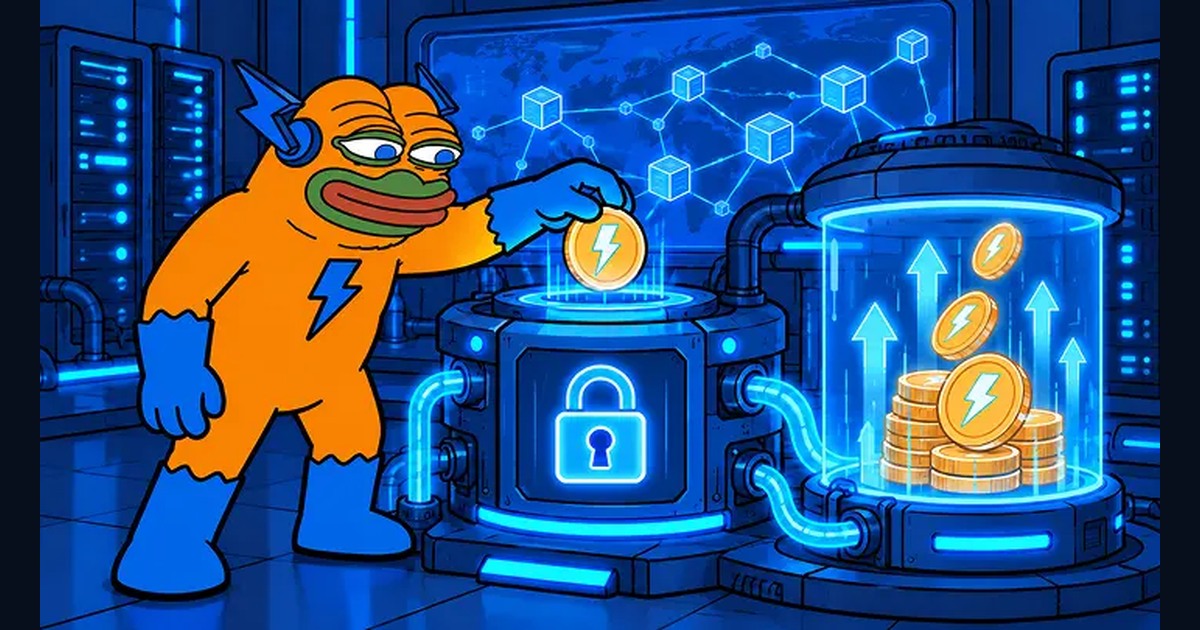
The 13 November announcement introduces an interface for exploring Bitcoin Hyper staking on its test network, following the Testnet, Explorer, Wallet, Faucet and Bridge releases. The HYPER used in the portal and the rewards shown serve testing purposes and have no monetary value.
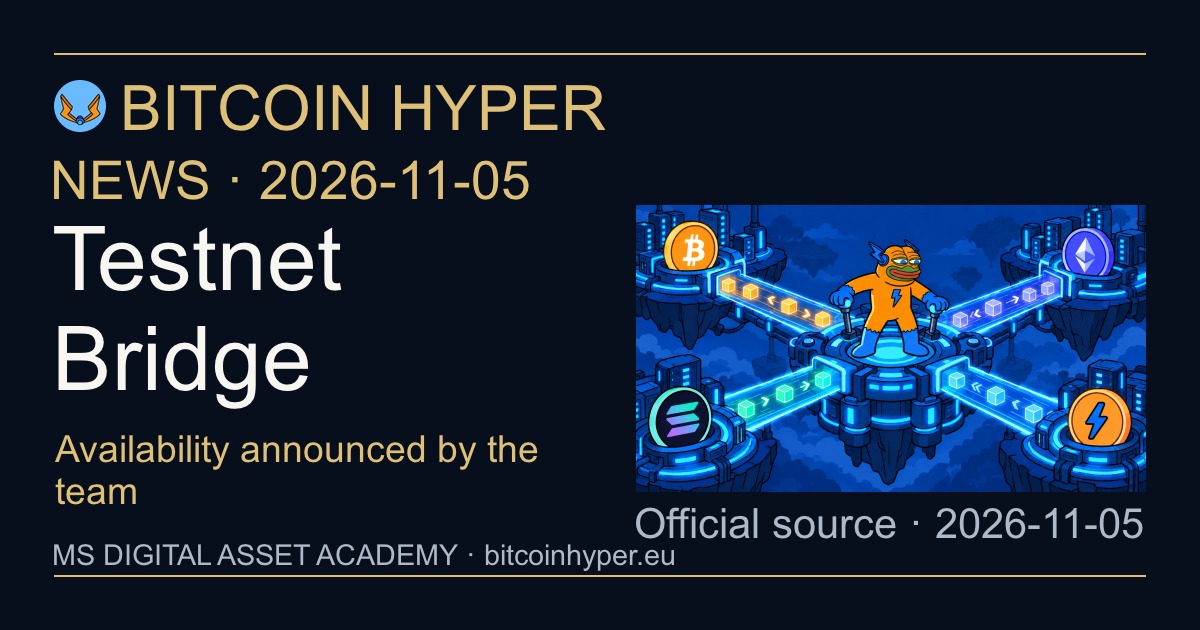
Availability announced by the team · The network distinction matters: the Bitcoin Hyper side is a testnet, while the Ethereum and Solana sides use their respective Mainnets. The announcement concerns experimental HYPER$ tokens on these networks. It does not demonstrate an operational canonical BTC bridge or Bitcoin Hyper mainnet.
The team states that these tokens are for testing only, have no monetary value and are not the official HYPER$ tokens. Receiving them is not a presale allocation, a purchase or a claim of the official token. No independent functional test of the Faucet has been performed.
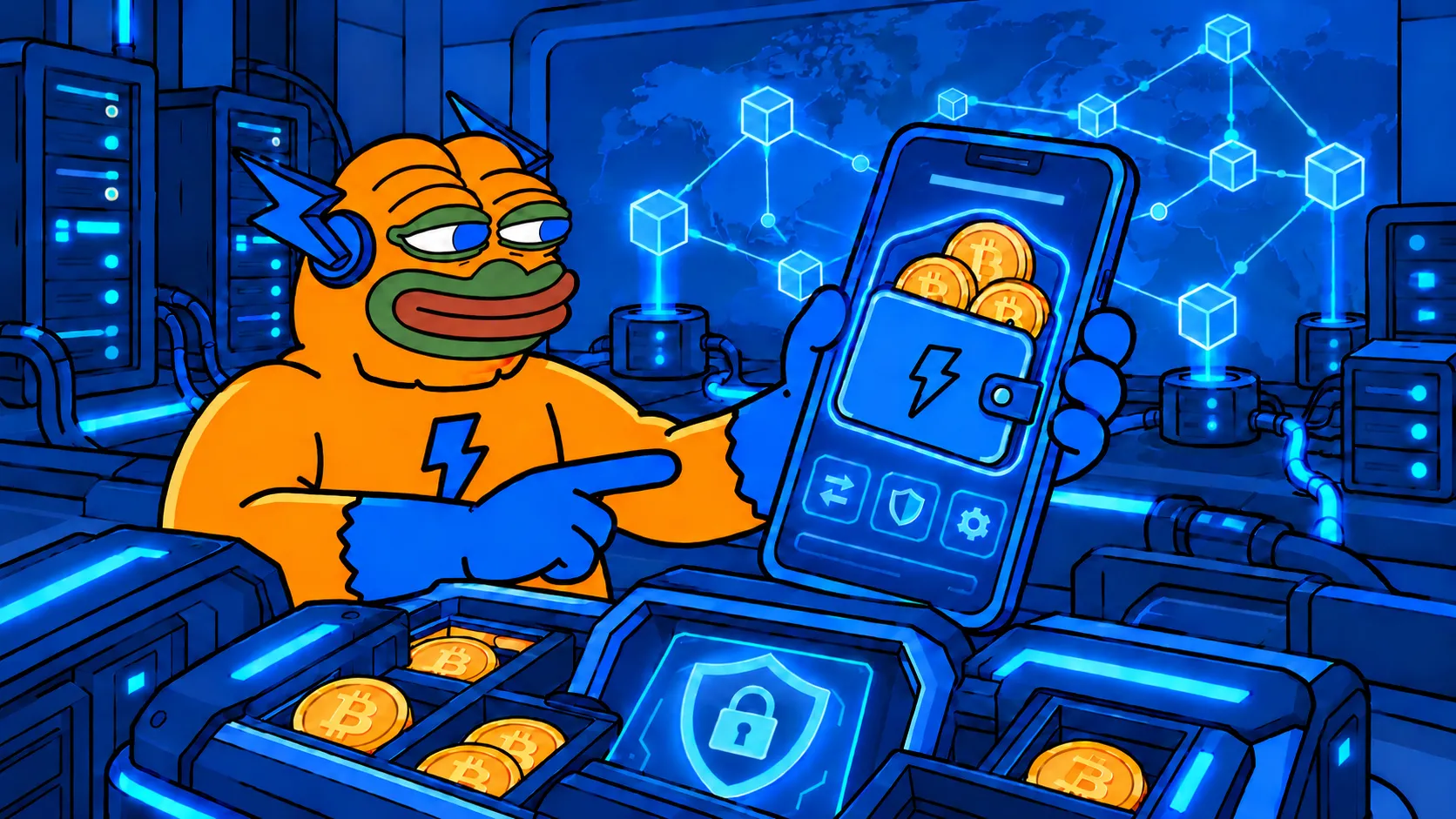
Official wallet download, unpacked extension installation, precautions, the planned Faucet and the distinction between testnet and mainnet.

The token announcement of 12 October and the later presale confirmation of 15 October: sources, dates and the distinction from mainnet.
The explorer is accessible following the public RPC. What users can consult, how the tools differ and which releases remain planned.

The public RPC provides access to the test network. The team’s programme distinguishes network access from the explorer, wallet, faucet, bridge and staking releases.
Bitcoin is the most secure network in the world, yet it processes roughly 7 transactions per second. Rollups offer a way to scale without sacrificing the security of the base layer.
Why does Bitcoin Hyper propose using the Solana Virtual Machine as its execution environment? A guide for readers who understand Bitcoin but are new to smart contracts.

Several leading rollups, including Arbitrum, Optimism and Base, launched with a centralised sequencer. Is that an acceptable trade-off or a warning sign?
The Lightning Network and Bitcoin Hyper both set out to scale Bitcoin. Yet they are designed for entirely different worlds. An honest comparison.
From Appendix E of the book: 10 critical questions for anyone weighing up exposure to HYPER$, with markers of a credible answer versus a weak one.